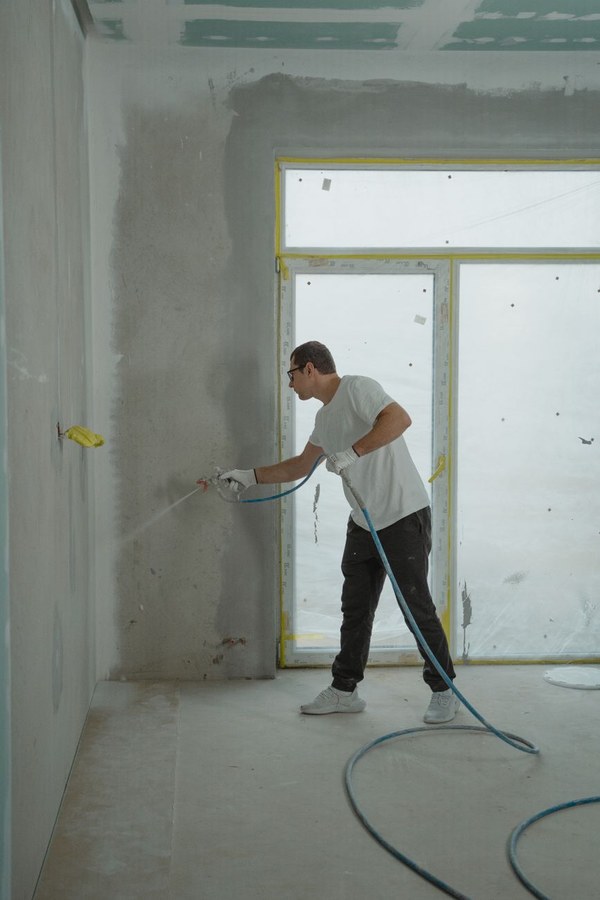
Ready for occupancy in one phase
Diagnostic construction cleaning translates site mess into actionable stages. We map dust ingress, material residue, and inspection failures as symptoms requiring specific treatment protocols and measurable timelines. Each problem type receives targeted intervention grounded in trade knowledge and field-verified standards.
Site-readiness problems we diagnose
Dust ingress and airborne residue
Drywall dust, concrete particulate, and material fragments settle across all surfaces. Inspection readiness requires complete removal from HVAC systems, electrical fixtures, and finished surfaces using containment protocols specific to particle size and material type.
Adhesive, sealant, and curing residue
Tile adhesive, grout haze, paint overspray, and caulk smear require material-specific removal techniques. Concrete surfaces demand acid wash protocols; tile and stone need pH-neutral treatment to prevent etching and discoloration during inspection.
Inspection failure markers
Visible debris, staining, and incomplete surface preparation trigger occupancy delays. We verify standards compliance through systematic documentation, ensuring every surface meets developer specifications and regulatory inspection criteria before handoff.
Symptom to intervention mapping
Each problem type requires specific treatment and timeline. Material-specific cleaning protocols ensure surfaces are inspection-ready without damage or residual contamination.
Drywall & plaster
Dust containment using negative pressure enclosures. HEPA filtration during sanding cleanup. Damp-wipe final pass to capture airborne particles before inspection.
Concrete & masonry
Acid wash for curing residue and efflorescence. Pressure washing at controlled PSI to avoid surface damage. Neutralization rinse and drying verification before sealing.
Tile, stone & finishes
pH-neutral grout haze removal. Adhesive scraping and solvent treatment for stubborn residue. Polishing and sealing per material specification to restore finish clarity.
Annotated problem-solving in the field
Drywall dust containment
Pre-construction phase showed heavy airborne particulate across all surfaces. We deployed negative pressure enclosures with HEPA filtration, isolating the work zone and preventing dust migration to adjacent finished areas.
Concrete curing residue removal
Acid wash protocol applied to remove efflorescence and curing compounds. Controlled pressure washing at 1,500 PSI prevented surface damage while achieving complete residue clearance. Neutralization rinse verified pH balance before final inspection.
Tile adhesive and grout haze
Grout haze removal using pH-neutral cleaner to prevent etching on polished surfaces. Adhesive residue scraped and solvent-treated. Final polish restored finish clarity and met inspection standards for tile installation quality verification.
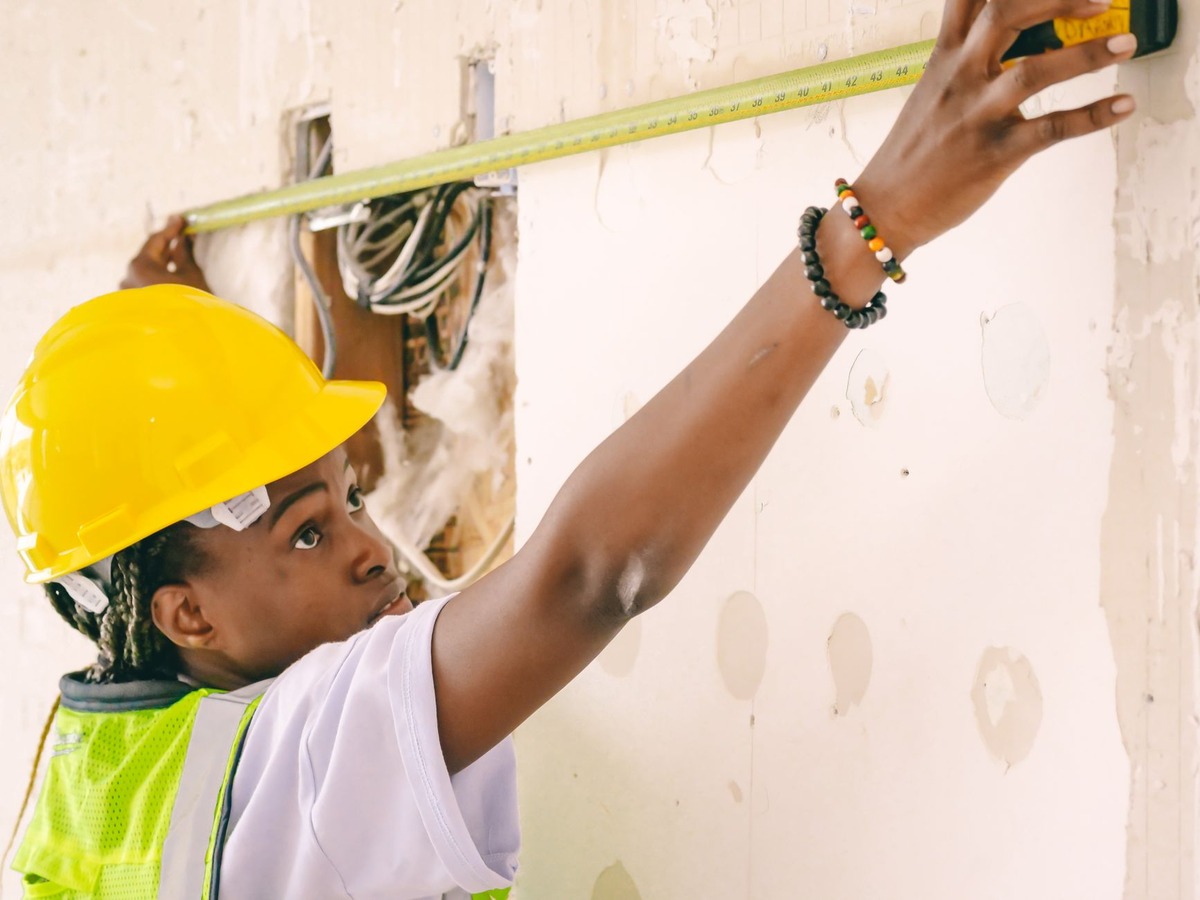
Material-specific care & inspection readiness
How do you contain dust during drywall cleanup?
We establish negative pressure enclosures using temporary barriers and HEPA-filtered air scrubbers. This prevents dust migration to adjacent spaces and ensures all airborne particulate is captured before final surface cleaning. Containment protocols vary by area size and material type to optimize both safety and timeline.
What makes concrete inspection-ready?
Concrete must be free of curing compounds, efflorescence, and construction debris. We verify surface pH, check for staining or discoloration, and confirm all adhesive residue is removed. Acid wash and pressure washing are followed by neutralization rinse and drying verification before handoff to inspection teams.
Why does tile require different treatment than concrete?
Tile surfaces are sensitive to acidic cleaners that can etch or discolor grout and stone. We use pH-neutral solutions for grout haze removal and mechanical scraping for adhesive residue. This protects the finish while meeting inspection standards for tile installation quality and surface clarity.
How do you verify inspection readiness?
We document each treatment phase with photographic evidence, surface testing, and material-specific verification. Before final handoff, we conduct a systematic walkthrough confirming dust removal, residue clearance, and finish restoration. All findings are recorded and provided to your inspection team.
Describe your site condition
We diagnose symptoms first, then recommend scope. Tell us about dust ingress, material residue, surface conditions, and inspection timeline. Your description helps us map the right intervention sequence and provide accurate duration estimates.